
IS TURKISH COTTON BETTER THAN EGYPTIAN COTTON? A COMPLETE GUIDE FOR PAKISTAN BUYERS

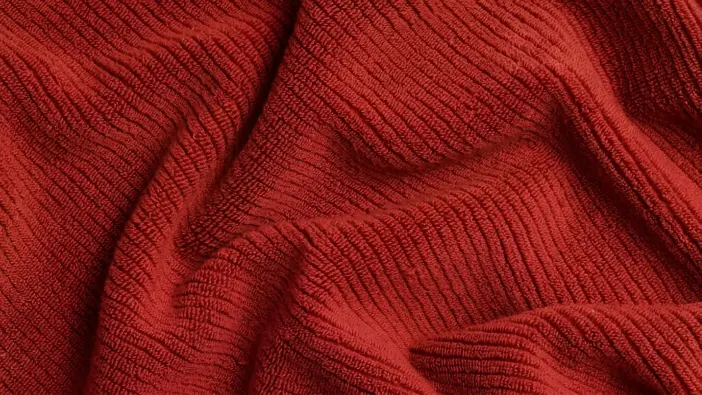
Turkish cotton and Egyptian cotton are two premium cotton varieties known for their exceptional quality, softness, and durability. Turkish cotton features longer fibres that dry quickly and resist pilling, while Egyptian cotton boasts extra-long staple fibres that create an incredibly soft, luxurious feel. The better choice depends on your specific needs—climate, budget, and personal preference all play key roles in determining which cotton type suits you best.
Recent textile industry data shows that both cotton types command premium prices in Pakistan’s market, with Egyptian cotton typically priced 15-25% higher than Turkish cotton. For households in Karachi, Lahore, and Islamabad seeking quality bedding that balances luxury with practicality, understanding these differences matters.
This guide breaks down everything you need to know about Turkish versus Egyptian cotton. You will learn about fibre length differences, texture comparisons, durability factors, and how climate affects your choice. We will also look at price points available in Pakistan and which cotton works best for your bedroom needs.
What Makes Turkish Cotton Different From Regular Cotton?
Turkish cotton stands apart due to its longer staple fibres and unique growing conditions in Turkey’s Aegean region. The climate creates cotton with fibres that are stronger and more absorbent than standard varieties.
Grown primarily in western Turkey, this cotton benefits from perfect weather conditions. The fibres measure longer than regular cotton but shorter than Egyptian varieties. This length gives Turkish cotton its signature qualities—quick drying time and excellent durability.
The production process matters too. Turkish cotton often uses traditional harvesting methods that preserve fibre integrity. Manufacturers weave these fibres tightly, creating fabrics that resist fraying and maintain their shape through countless washes.
Key Characteristics of Turkish Cotton
- Fibre length: Long staple but not extra-long like Egyptian
- Absorbency: Excellent moisture-wicking properties
- Drying time: Faster than most cotton types
- Texture: Crisp and cool against skin
- Durability: Highly resistant to pilling and wear
What Sets Egyptian Cotton Apart From Other Cotton Types?
Egyptian cotton features extra-long staple (ELS) fibres that create the softest, most luxurious cotton fabric available. These fibres grow along the Nile River, where specific soil and climate conditions produce exceptional quality.
The extra length of Egyptian cotton fibres makes all the difference. Longer fibres mean fewer joins in the yarn, which translates to smoother, stronger fabric. This is why Egyptian cotton bedding feels silky rather than crisp.
Thread count works differently with Egyptian cotton. Because the fibres are so long and fine, manufacturers can weave them more tightly. A 600-thread-count Egyptian cotton sheet feels more luxurious than a 600-thread-count sheet made from shorter fibres.
Pro Tip: When shopping for Egyptian cotton in Pakistan, look for GOTS certification or similar quality markers. Many products claim to be Egyptian cotton but use inferior blends.
Defining Features of Egyptian Cotton
- Fibre classification: Extra-long staple (ELS) measuring 35-40mm
- Texture: Silky smooth and incredibly soft
- Strength: Superior tensile strength compared to other cottons
- Breathability: Excellent air circulation for temperature regulation
- Longevity: Gets softer with each wash, lasting years
How Do These Cotton Types Compare in Softness and Texture?
Egyptian cotton wins the softness battle. The extra-long fibres create a silky, plush surface that feels smooth against your skin from the first use. Turkish cotton offers a different experience—crisp and fresh, with a slightly textured feel.
The texture difference comes down to weaving technique and fibre length. Egyptian cotton’s long fibres allow for tighter weaves that produce that signature silky finish. Turkish cotton’s shorter (though still long) fibres create a more substantial, textured fabric.
Both cottons improve with washing, but in different ways. Egyptian cotton becomes progressively softer and more supple. Turkish cotton maintains its crisp character while developing a pleasant, broken-in feel. Neither pills or loses quality when cared for properly.
| Feature | Turkish Cotton | Egyptian Cotton |
| Initial Feel | Crisp, cool | Silky, smooth |
| After Washing | Softer but crisp | Increasingly silky |
| Texture | Slight texture | Very smooth |
| Weight | Lighter | Can be heavier |
Which Cotton Type Lasts Longer and Resists Wear Better?
Both cotton types offer excellent durability when you buy quality products. Egyptian cotton edges ahead slightly in pure longevity due to its longer, stronger fibres. Turkish cotton resists daily wear exceptionally well and handles frequent washing better.
Egyptian cotton bedding can last 10-15 years with proper care. The extra-long staple fibres resist breaking and maintain structural integrity through hundreds of wash cycles. The fabric actually gets better with age, developing that prized softness without losing strength.
Turkish cotton proves more practical for heavy use situations. It resists pilling better than Egyptian cotton and maintains its shape even with weekly washing. Families with children often prefer Turkish cotton for this reason—it withstands rougher treatment without showing wear.
Durability Factors to Consider
- Thread count affects both types differently—higher is not always better
- Weave quality matters more than cotton origin alone
- Proper washing extends life of both cotton types significantly
- Turkish cotton handles bleaching and hot water better
- Egyptian cotton requires gentler care to maintain premium feel
How Does Pakistan’s Climate Affect Your Cotton Choice?
Pakistan’s hot, humid summers and mild winters create specific bedding needs. Turkish cotton excels in these conditions because it dries quickly and stays fresh longer. Egyptian cotton works beautifully for air-conditioned rooms where temperature control is constant.
In cities like Karachi and Lahore where humidity runs high, Turkish cotton’s quick-drying properties become valuable. Moisture does not linger in the fabric, which helps prevent that damp feeling on humid nights. The crisp texture also feels cooler against skin in warm weather.
For winter months in northern Pakistan or cooler regions, Egyptian cotton provides better warmth retention. The denser weave and heavier feel create a cozy sleeping environment. Many Pakistani families keep both types—Turkish for summer, Egyptian for winter.
Pro Tip: If you run your AC all night, Egyptian cotton performs beautifully year-round. The controlled temperature lets you enjoy its luxury without weather concerns.
What Price Difference Should You Expect in Pakistan?
Egyptian cotton costs more everywhere, and Pakistan is no exception. A quality cotton comforter set in Egyptian cotton typically runs 20-30% higher than a comparable Turkish cotton set.
Prices vary widely based on quality and authenticity. Genuine Egyptian cotton bedding from Buruj Textile starts around PKR 15,000 for a complete set, while quality Turkish cotton sets begin around PKR 10,000. Lower prices often indicate blended or mislabeled products.
The investment makes sense when you factor in longevity. A premium cotton bedsheet in either variety lasts years longer than budget alternatives. Calculate cost per year of use rather than upfront price alone.
| Product Type | Turkish Cotton Range | Egyptian Cotton Range |
| Single Bedsheet | PKR 3,500-6,000 | PKR 5,000-8,500 |
| Double Bedsheet Set | PKR 7,000-12,000 | PKR 10,000-16,000 |
| Comforter Set | PKR 10,000-18,000 | PKR 15,000-25,000 |
| Towel Set | PKR 4,000-7,000 | PKR 6,000-10,000 |
Which Cotton Works Better for Different Products?
Turkish cotton dominates the towel market for good reason. Its absorbency and quick-drying nature make it perfect for bathroom use. Egyptian cotton suits bedding better, where softness and luxury matter most.
For bedsheets and pillowcases, Egyptian cotton creates that hotel-quality experience. The silky texture against your skin makes a noticeable difference in sleep quality. Many luxury hotels worldwide use Egyptian cotton exclusively for this reason.
Turkish cotton excels in everyday items like bathrobes, kitchen towels, and summer bedding. The cotton collection at quality retailers often includes both types, letting you choose based on intended use.
Best Applications by Cotton Type
Choose Turkish Cotton For:
- Bath towels and hand towels
- Summer bedding and lightweight sheets
- Kitchen towels and everyday linens
- Children’s bedding and high-use items
- Humid climate bedding needs
Choose Egyptian Cotton For:
- Luxury bedding and premium sheets
- Guest room bedding
- Winter bedding layers
- Air-conditioned bedroom settings
- Special occasion bedding
How Do You Care for Each Cotton Type Properly?
Both cotton types need proper care but Turkish cotton tolerates more aggressive washing. Egyptian cotton requires gentler treatment to maintain its premium qualities.
Wash Turkish cotton in warm or hot water without worry. The fibres handle high temperatures well and actually benefit from thorough washing. You can use regular detergent and tumble dry on medium heat. The fabric bounces back wash after wash.
Egyptian cotton needs cooler water and milder detergent. Hot water can damage the long fibres over time. Line drying works best, but low tumble drying is acceptable. Never use bleach on Egyptian cotton—it weakens the fibres and causes yellowing.
Essential Care Guidelines
Turkish Cotton Care:
- Wash in warm to hot water (40-60°C)
- Use any quality detergent
- Tumble dry on medium heat
- Iron on high if needed
- Can handle occasional bleaching
Egyptian Cotton Care:
- Wash in cool to warm water (30-40°C)
- Use mild, pH-neutral detergent
- Line dry or tumble dry low
- Iron on medium while slightly damp
- Never use bleach or harsh chemicals
What Environmental and Sustainability Factors Should You Know?
Turkish cotton generally uses less water in cultivation compared to Egyptian varieties. Turkey’s Aegean region receives more rainfall, reducing irrigation needs. Egyptian cotton depends heavily on Nile River irrigation, making it more water-intensive.
Organic certification exists for both types but Turkish cotton more commonly carries GOTS and similar certifications. Pakistan’s market increasingly offers certified organic options in both varieties as environmental awareness grows.
The production chain matters beyond just growing methods. Turkish cotton often travels shorter distances to reach Pakistan’s textile industry, reducing carbon footprint. Egyptian cotton may involve longer shipping routes, though direct trade agreements can minimize this impact.
Frequently Asked Questions
Which cotton type provides better value?
Neither is objectively better they excel in different areas. Turkish cotton offers better value for everyday use, especially in humid climates. It costs less while providing excellent durability and quick drying. Egyptian cotton delivers unmatched luxury and softness, justifying its higher price for premium bedding applications.
Can you tell the difference between Turkish and Egyptian cotton by touch?
Yes, experienced buyers can feel the difference immediately. Egyptian cotton feels silky and smooth with almost no texture. Turkish cotton has a crisper, slightly textured feel that remains fresh and cool. Both feel substantially better than regular cotton, but the sensations differ noticeably.
Which cotton type works better for sensitive skin?
Both work excellently for sensitive skin when you choose high-quality options. Egyptian cotton’s smoothness prevents friction and irritation. Turkish cotton’s breathability reduces moisture buildup that can trigger skin issues. People with eczema or allergies report success with both types personal preference matters more than cotton origin.
Does thread count matter equally for both cotton types?
Thread count functions differently between the two. Egyptian cotton’s longer fibres allow higher thread counts that genuinely improve quality. Turkish cotton performs best at moderate thread counts (300-600). Extremely high thread counts in Turkish cotton often indicate poor quality or misleading marketing.
How long does each cotton type last with regular use?
Quality Egyptian cotton bedding lasts 10-15 years with proper care. Turkish cotton typically lasts 7-12 years under the same conditions. Both outlast regular cotton significantly. Actual longevity depends more on thread count, weave quality, and washing practices than cotton origin alone.
Are cheaper versions of these cottons worth buying?
Lower-priced options rarely deliver authentic quality. Budget Egyptian cotton often contains blends or mislabeled regular cotton. Cheap Turkish cotton may come from lower-grade fibres or alternative regions. Spending slightly more on certified products from reputable Pakistani retailers like Buruj Textile ensures you get genuine quality.
Which cotton resists staining and discoloration better?
Turkish cotton handles stains more forgivingly because it tolerates stronger cleaning methods. You can use hotter water and tougher stain removers without damage. Egyptian cotton requires gentler stain treatment but the tight weave actually resists initial staining well. Both maintain color vibrancy when washed according to care instructions.
Making Your Final Decision
Your choice between Turkish and Egyptian cotton should match your lifestyle and priorities. Consider your budget, climate, washing habits, and whether you value durability or luxury more.
For most Pakistani households, a mixed approach works best. Use Turkish cotton for high-traffic items like towels and everyday bedding. Reserve Egyptian cotton for your master bedroom where you can enjoy its luxury nightly. Both investments pay dividends in comfort and longevity.