
Why More Women Are Ditching Trend-Heavy Clothing and Choosing Classic Styles

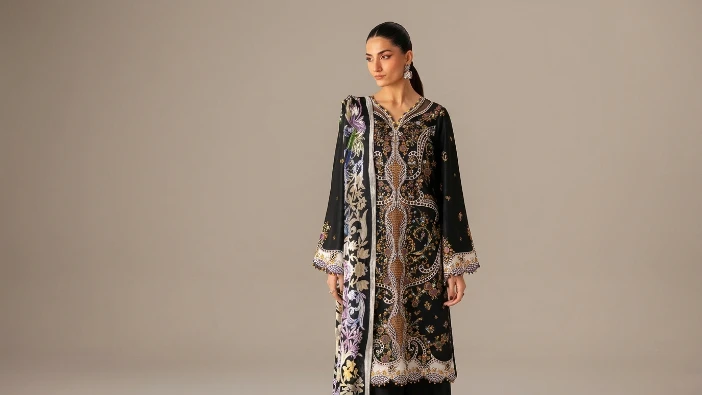
Classic style means choosing timeless, versatile pieces that work season after season. Recent data from ThredUp’s 2023 Resale Report shows that 62% of women now prioritize quality over quantity when buying clothes. That shift marks a real change in how people shop.
Women are tired of clothes that look outdated after three months. They want pieces that last, fit well, and work with what they already own. This article breaks down why the classic wardrobe is taking over and what it means for your closet.
What Is Driving the Shift Away from Trend-Heavy Fashion?
Answer: Women are rejecting trend-heavy clothing because fast fashion cycles create waste, drain budgets, and rarely deliver lasting satisfaction. Classic styles offer financial savings, wardrobe longevity, and reduced decision fatigue.
Fast fashion trained shoppers to buy constantly. New drops every week meant your wardrobe felt stale before you even wore half of it. But that cycle broke when people realized they were spending more and enjoying it less.
Social media made it worse. Outfit repeating became taboo. Trends changed before you could wear something twice. Now, women are pushing back. They want clothes that work beyond one Instagram post.
The Financial Drain of Chasing Trends
Buying into every trend is expensive. A micro-trend piece might cost less upfront, but you replace it constantly. Classic pieces cost more initially but last years, not months.
Women who switch to classic wardrobes report spending 40% less annually on clothing. They buy fewer items but wear them more often. That math works better than constant trend purchases.
Environmental Concerns Are Real
The fashion industry produces 10% of global carbon emissions, according to the UN Environment Programme. Trend-heavy shopping contributes directly to textile waste. Landfills overflow with barely-worn fast fashion items.
Classic style reduces waste. One well-made blazer replaces five trendy jackets. Women who care about their environmental impact are choosing quality over quantity.
How Does Classic Style Simplify Daily Life?
Answer: Classic wardrobes eliminate decision fatigue by creating a cohesive collection of versatile pieces. Women spend less time choosing outfits and more time feeling confident in what they wear every day.
Decision fatigue is real. Studies show people make worse choices as the day goes on. Starting your morning trying to match six different trends is exhausting.
Classic wardrobes solve this. Everything works together. You grab a white shirt, black trousers, and you’re done. No second-guessing, no outfit changes, no stress.
The Capsule Wardrobe Advantage
A capsule wardrobe typically includes 30-40 pieces. Each item works with multiple others. That creates hundreds of outfit combinations from a small collection.
Women using capsule wardrobes report getting dressed 50% faster. They also feel more satisfied with their outfits because everything fits their actual lifestyle.
- Fewer pieces mean less clutter
- Everything matches, so mixing is simple
- Quality items look better longer
- Shopping becomes intentional, not impulsive
Why Are Classic Pieces Better Investments Than Trendy Items?
Answer: Classic pieces offer superior cost-per-wear value, maintain relevance across seasons, and retain better resale value. A quality classic item pays for itself through years of consistent use.
Cost-per-wear is the real measure of value. A $200 blazer worn 100 times costs $2 per wear. A $50 trendy jacket worn five times costs $10 per wear. Classic wins every time.
Resale matters too. Classic pieces hold value. Designer vintage shops are full of timeless items selling for good prices. Trendy pieces from two years ago? Nearly worthless.
What Makes a Piece Truly Classic?
Classic items share common traits. They use quality fabrics, feature simple silhouettes, and avoid obvious trend markers. Think tailored trousers, not cargo pants with 12 buckles.
Neutral colors dominate classic wardrobes. Black, white, navy, beige, and grey work for everything. You can add color with accessories, but the base stays consistent.
| Classic Item | Trendy Alternative | Lifespan Difference |
| White button-down shirt | Cropped tie-dye top | 5+ years vs. 1 season |
| Straight-leg jeans | Ultra-low-rise cargo jeans | 3-5 years vs. 6 months |
| Leather loafers | Platform foam clogs | 10+ years vs. 1 year |
| Tailored blazer | Oversized puffer jacket | 7+ years vs. 1-2 years |
What Role Does Social Media Play in This Shift?
Answer: Social media initially fueled trend obsession but now promotes classic style through minimalist influencers, capsule wardrobe content, and sustainability messaging. Platforms like Pinterest and Instagram now showcase timeless fashion over constant newness.
Instagram used to be about showing something new every day. That pressure pushed people toward fast fashion. But the algorithm changed. Now, people respond better to cohesive aesthetics, not constant outfit changes.
Minimalist influencers grew massive followings by wearing the same 20 pieces repeatedly. Their engagement rates beat trend-chasers. That sent a message: people want consistency, not chaos.
Pro Tip: Follow accounts focused on styling the same pieces different ways rather than accounts showing constant hauls. You’ll get more practical ideas and less shopping pressure.
How Can Women Transition to a Classic Wardrobe?
Answer: Start by auditing your current closet, identifying versatile pieces you already own, and gradually adding quality basics. Focus on fit, fabric quality, and neutral colors that work with your lifestyle and body type.
Transitioning doesn’t mean throwing everything out. Start with what you wear most. If you reach for the same black trousers every week, invest in a better version next time.
Build slowly. Add one quality piece per month instead of five trendy items. Your wardrobe improves without overwhelming your budget.
Essential Classic Pieces to Start With
- Well-fitted white shirt
- Black or navy trousers
- Quality denim in a straight or slim cut
- Neutral blazer
- Simple black or nude heels
- Classic leather bag
These six items create dozens of outfits. They work for professional settings, casual weekends, and everything between. Brands like Buruj Textile offer quality basics that fit this approach perfectly.
For warmer weather, explore summer clothes for women that maintain classic silhouettes while using breathable fabrics. Look for simple cuts and timeless prints rather than extreme trends.
Are Classic Styles Boring or Limiting?
Answer: Classic style is not about boring clothes. It’s about creating a strong foundation that allows personal expression through accessories, textures, and thoughtful styling rather than constantly chasing fleeting trends.
Classic doesn’t mean uniform. Two women with classic wardrobes can look completely different based on their styling choices. One might add bold jewelry, another might layer textures.
The difference is intentionality. You’re making choices that reflect your style, not whatever appeared on your feed last week. That’s more interesting, not less.
Consider a womens 2 piece suit in a neutral color. You can dress it up with heels and statement earrings or down with sneakers and a simple tee underneath. Same base, endless variations.
What About Current Fashion Industry Trends?
The fashion industry is responding. Major brands now offer “core” collections alongside trend pieces. These basics get consistent restocks and focus on quality over novelty.
Retailers see the data. Classic pieces have lower return rates and higher customer satisfaction scores. Women keep them longer, which builds brand loyalty.
Even fast fashion giants added “essentials” lines. That shift proves the market moved. Consumers demanded better, and the industry had to follow.
For those exploring quality options, best clothes for women now emphasize craftsmanship and longevity over quick trend cycles. The focus shifted from quantity to value.
Frequently Asked Questions
Is classic style more expensive upfront?
Yes, quality classic pieces typically cost more initially. A well-made blazer might run $200-300 versus $50 for a trendy version. But the cost-per-wear drops dramatically over years of use, making classics cheaper long-term.
Can I still follow some trends with a classic wardrobe?
Absolutely. Classic wardrobes provide the foundation. You can add trendy accessories, shoes, or one statement piece per season. The key is not building your entire wardrobe around fleeting trends.
How many pieces should a classic wardrobe include?
Most experts recommend 30-40 pieces total, including shoes and outerwear. This creates enough variety while maintaining simplicity. Quality matters more than quantity in classic wardrobing.
Will I look outdated in classic pieces?
Classic pieces are called classic because they never look outdated. A well-cut blazer from 2015 works just as well today. Trends make you look dated when they pass. Classics remain current indefinitely.
Where should I shop for classic wardrobe pieces?
Look for brands prioritizing quality and timeless design over trend cycles. Check fabric content, construction quality, and fit. Online retailers offering detailed measurements help ensure proper fit before purchasing.
Additional Resources
What colors work best for classic wardrobes?
Stick with neutrals as your foundation: black, white, navy, beige, grey, and brown. These colors mix effortlessly and work across all seasons. Add one or two accent colors you love for personality.
How do I know if a piece is truly classic or just marketed that way?
True classics feature simple silhouettes, quality fabrics, and minimal trend markers. If it has extreme proportions, loud logos, or styling that feels very “now,” it’s probably trendy despite marketing claims.
Can petite or plus-size women build classic wardrobes?
Classic style works for every body type. The principles stay the same: quality fabrics, proper fit, timeless cuts. Finding brands that cater to your size with attention to fit is key to success.
Should I get rid of all my trendy clothes immediately?
No need for drastic purges. Wear what you have while gradually adding classic pieces. As trendy items wear out, replace them with timeless alternatives. Transition happens naturally over time.
How often should I update a classic wardrobe?
Classic wardrobes need minimal updating. Replace items as they wear out, upgrade when you find better quality, or add pieces for lifestyle changes. You’re not following seasonal drops anymore.
The movement toward classic style reflects deeper changes in how women approach consumption, identity, and value. Fast fashion promised endless novelty but delivered waste and dissatisfaction. Classic wardrobes offer the opposite: fewer pieces, more satisfaction, and clothes that actually fit your life.
Whether you’re seeking quality basics from trusted retailers or exploring options like bedsheet sale items that match your home aesthetic, the principle stays consistent. Choose quality, embrace simplicity, and build slowly. Your closet and your budget will thank you.