
What to Avoid When Buying Bed Sheets

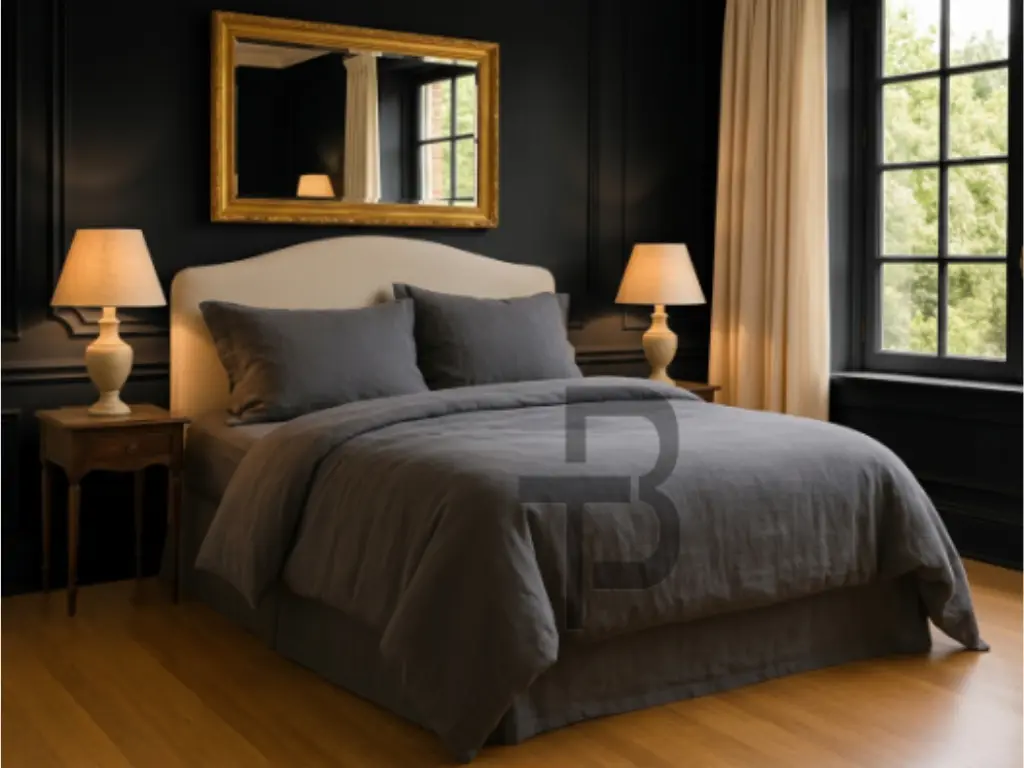
Buying bed sheets sounds simple until you bring them home and realize they pill after one wash, shrink two sizes, or feel like sandpaper. Most people in Pakistan spend good money on sheets that disappoint within weeks. According to textile industry research, nearly 40% of bedding purchases fail to meet buyer expectations due to preventable mistakes.
This guide cuts through the marketing fluff. You will learn what actually matters when choosing sheets, which claims to ignore, and how to spot quality before you pay. Whether you are shopping for bedsheets or visiting stores in person, these insights apply.
What Are the Most Common Mistakes When Buying Bed Sheets?
Quick Answer: The biggest mistakes include ignoring fabric quality, buying the wrong size, trusting thread count alone, overlooking weave type, and skipping care instructions. These errors cost you comfort and money.
Choosing Price Over Fabric Quality
Cheap sheets use low-grade cotton or synthetic blends that degrade fast. You save money upfront but replace them twice as often. Quality cotton bedsheet options cost more initially but last years longer and feel better every night.
Look for long-staple cotton varieties. These have fibers that create smoother, stronger fabric. Egyptian cotton and Pima cotton are premium choices, but good quality local cotton works fine if properly woven.
Getting the Wrong Sheet Size
Pakistan uses different mattress dimensions than Western markets. A standard double bed here measures 54×75 inches, not the international 54×74 inches. That one-inch difference means imported sheets might not fit properly.
Measure your mattress before shopping. Include depth if you use a bed comforter or mattress topper. Fitted sheets need extra depth to grip properly. Standard sheets fit mattresses up to 12 inches deep. Deep pocket versions handle 15-18 inches.
Pro Tip: Write down your exact mattress measurements and keep them in your phone. This prevents guessing when shopping online.
Believing Thread Count Hype
Marketing teams love pushing 1000+ thread counts as luxury indicators. That is misleading. Thread count measures threads per square inch, but quality matters more than quantity.
Beyond 400-600 thread count, you are often paying for multi-ply threads that add bulk without improving softness. A 400-count single-ply Egyptian cotton sheet feels better than an 800-count multi-ply polyester blend.
| Thread Count | Reality Check | Best Use |
| 180-300 | Budget range, rougher feel | Guest rooms, temporary use |
| 300-500 | Sweet spot for quality | Daily use, best value |
| 500-800 | Luxury feel if genuine | Premium bedding experience |
| 800+ | Often marketing tricks | Question the claims |
Ignoring Weave Types
Percale and sateen are the two main weaves. Percale uses a one-over-one-under pattern that creates crisp, cool sheets. Sateen uses a four-over-one-under weave that produces silky, warmer fabric.
For Pakistan’s hot climate, percale works better most of the year. Sateen feels luxurious but traps more heat. That makes summer nights uncomfortable unless you run air conditioning constantly.
How Does Fabric Content Affect Your Choice?
Quick Answer: Natural fibers like cotton and linen breathe better and last longer than synthetics. Blends offer wrinkle resistance but sacrifice breathability and durability. Pure cotton remains the best all-around choice for most buyers.
Cotton Versus Polyester Blends
Pure cotton costs more but handles Pakistan’s climate better. It absorbs moisture, allows airflow, and gets softer with washing. Polyester blends resist wrinkles but trap heat and develop that plasticky feeling over time.
Some brands advertise “Egyptian cotton blend” to sound premium. That usually means 60% polyester with 40% cotton. You get neither the breathability of cotton nor the durability of quality synthetic. It is a compromise that satisfies no one.
The Linen Consideration
Linen sheets start stiff but soften beautifully over months. They cost significantly more than cotton but last decades with proper care. Linen breathes exceptionally well, making it ideal for hot sleepers.
The downside? Linen wrinkles heavily and looks rumpled even when fresh. That casual, lived-in appearance appeals to some buyers but bothers others who prefer crisp-looking beds.
Why Do Care Instructions Matter So Much?
Quick Answer: Ignoring care instructions causes shrinkage, color loss, pilling, and premature wear. Sheets labeled “machine washable” still have temperature and detergent requirements that affect longevity significantly.
High-quality sheets need gentle washing. Hot water shrinks cotton fibers and fades colors faster. Use warm or cold water instead. Harsh detergents break down fibers, while fabric softeners coat them and reduce absorbency.
Line drying preserves fabric integrity better than machine drying, though it takes longer. If you must use a dryer, choose low heat and remove sheets while slightly damp. Overdrying creates excessive wrinkles and weakens fibers.
What Should You Check Before Buying?
Quick Answer: Verify fabric content labels, check return policies, read unfiltered customer reviews, feel fabric samples when possible, and confirm exact dimensions match your mattress. These steps prevent most buying mistakes.
- Read fabric composition labels carefully
- Check if sizing follows local or international standards
- Look for reviews mentioning shrinkage and durability
- Confirm the seller offers returns for sizing issues
- Compare prices across multiple sellers for the same product
Buruj Textile provides detailed product specifications and transparent sizing information to help buyers make informed choices.\
Frequently Asked Questions
What thread count is best for hot weather?
Thread counts between 300-400 in percale weave work best for hot climates. Higher counts trap more heat. Lower counts feel rough and wear out faster.
Do expensive sheets really last longer?
Quality sheets from reputable brands typically last 3-5 years with proper care. Budget options often fail within 12-18 months. The higher upfront cost spreads across more years of use.
Should I buy fitted or flat sheets first?
Start with fitted sheets since they get more wear and tear. Flat sheets can double as light blankets if needed, making them less critical for immediate purchase.
How often should bed sheets be replaced?
Replace sheets when you notice thinning fabric, persistent stains, or loss of softness. Quality sheets last 2-5 years depending on use frequency and care habits.
Can I mix sheet sets from different brands?
Yes, but color matching becomes harder. Different brands use different dye lots. Mixing works fine functionally, but your bed might look mismatched visually.