
How Long Does a Mattress Take to Dry After Bedwetting?

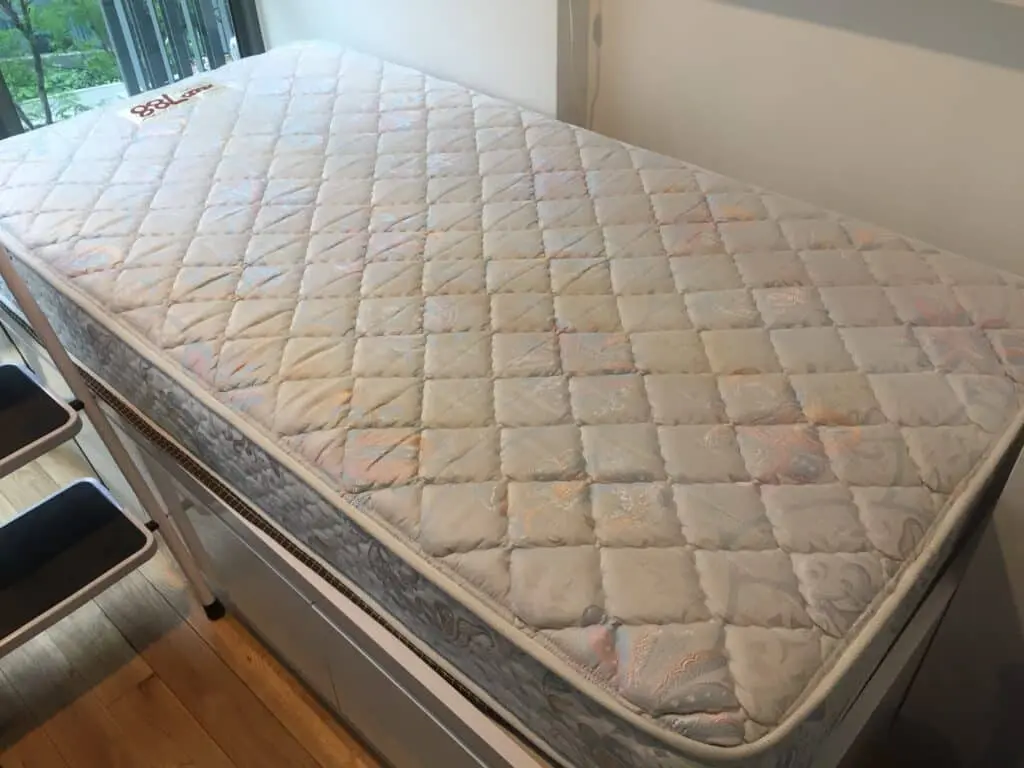
Quick Answer: The time it takes for a mattress to dry after bedwetting can vary. Typically, it can take anywhere from 8 to 12 hours for a mattress to dry completely, depending on the mattress type and drying methods used. Let’s break down the best steps you can take to speed up the drying process.
1. First Steps After Discovering a Wet Mattress
When your child has had an accident, the first thing you want to do is stay calm. It’s a common occurrence, and it’s fixable. The next step is to remove all wet bedding, including sheets, blankets, and mattress protectors.
Reassure Your Child
Bedwetting can be embarrassing for children, so make sure to reassure them. Let them know that accidents happen, and there’s nothing to worry about.
Gather Emergency Supplies
You’ll need a few basic supplies to get started:
- Clean towel
- A wet/dry vacuum (optional)
- Baking soda (for odor control)
- A fan (for faster drying)
2. Quick Moisture Removal Techniques
Blotting Methods for Different Mattress Types
- Memory foam mattresses require gentle blotting. Avoid rubbing the mattress, as this can push moisture deeper into the foam.
- For spring mattresses, use a clean towel to absorb excess moisture by gently pressing down.
Using Towels Effectively
If you don’t have a wet/dry vacuum, towels are your best friend. Use several towels to absorb as much moisture as possible. Roll the towels and press them into the wet area to soak up the liquid.
When to Use a Wet Vacuum
A wet vacuum is ideal for quicker moisture removal, especially for larger amounts of liquid. This is highly effective for both foam and spring mattresses.
3. Speeding Up the Drying Process
Once the excess moisture is gone, the next step is speeding up the drying. The faster you dry the mattress, the less chance there is for mold or bacteria growth.
Setting Up Proper Air Flow
Open windows and doors to increase air circulation. The more airflow you can get, the faster your mattress will dry.
Using Fans Strategically
Place fans around the mattress to help distribute air evenly. A fan will help speed up the evaporation process, especially in warmer weather. Make sure the mattress is elevated slightly to allow air to flow underneath as well.
Safe Heat Methods
If the room is cooler, consider using a hair dryer or a space heater to add extra heat. But be cautious—too much heat can damage the mattress materials. Keep the heat on a low setting and avoid direct contact with the mattress.
4. Dealing with Memory Foam Mattresses
Memory foam mattresses are popular for their comfort, but they can be trickier to dry. Here’s what to consider:
Special Considerations
- Memory foam tends to absorb more liquid than other mattress types, making it harder to dry.
- Avoid using too much heat, as this can damage the foam over time.
Avoiding Common Mistakes
- Don’t rub the mattress too hard or press down too deeply. This can damage the structure of the foam.
- Instead, try gently pressing with a towel to squeeze out excess moisture.
5. Checking if the Mattress is Fully Dry
It’s essential to make sure the mattress is completely dry before putting any bedding back on. This helps prevent mold and odors.
Touch Test Methods
Run your hand over the mattress to feel for damp spots. If it still feels wet, it needs more drying time.
Using Moisture Meters
A moisture meter can be a valuable tool to check how dry the mattress is. If you don’t have one, continue using a fan and airing out the mattress until it’s scorched.
When to Change Sheets Back
Once the mattress feels completely dry, it’s safe to replace the sheets and put your bedding back in place. If you want extra protection, you can use a Premium mattress protector to keep your mattress safe from future accidents.
Conclusion
Drying a mattress after bedwetting might seem like a hassle. Still, with the proper steps, it can be managed quickly and effectively. Whether you use baking soda to neutralize odors or a fan to speed up the drying, remember to act fast and be gentle with your mattress to avoid any damage.
For added protection, consider using a mattress protector you can buy from Buruj Textile to prevent future accidents from reaching the mattress.
Frequently Asked Questions
How long does it take for a mattress to dry after bedwetting?
It typically takes 8 to 12 hours for a mattress to dry completely, depending on the type of mattress and the drying method used.
How can I dry the mattress without the sun?
If you don’t have access to sunlight, try using fans and increasing airflow in the room. You can also use a hair dryer on a low setting for spot drying.
How long should I air out my mattress?
It’s best to air out the mattress for at least 8 to 12 hours to ensure it’s dry and free from moisture.