
What to Do with a Mattress If You Pee the Bed: A Simple Guide

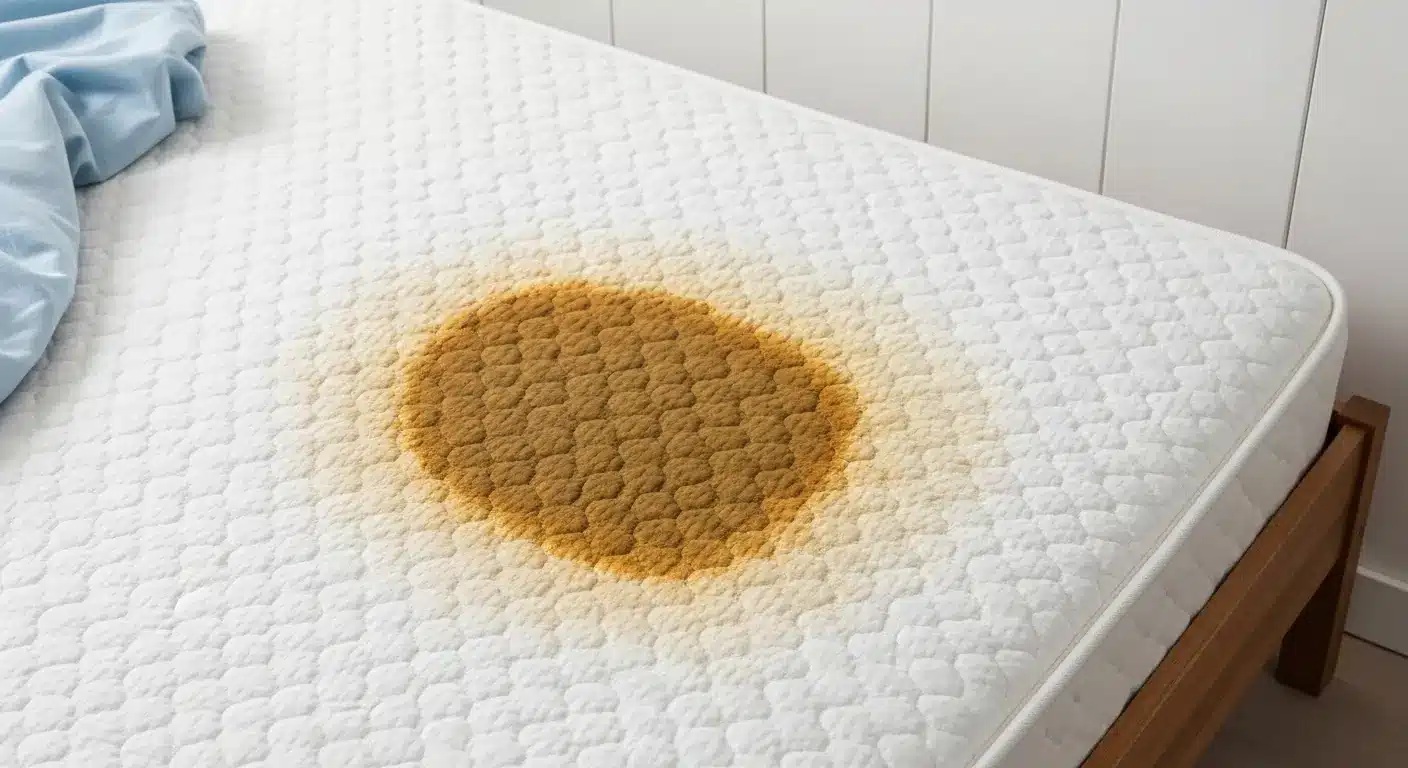
Let’s be honest—bedwetting happens. It’s awkward, yes, but it’s also way more common than people admit. Kids, adults, pets… accidents don’t discriminate. If you’ve ever woken up to a wet mattress and thought, “Now what?”—take a breath. You’re not alone, and your mattress isn’t ruined.
This guide walks you through exactly what to do after a bedwetting accident, how to clean your mattress properly, and how to stop it from becoming a recurring headache.
Why Does This Happen? Understanding Bedwetting
- Health Conditions: Medical issues like urinary tract infections (UTIs), diabetes, or bladder problems can cause bedwetting.
- Stress: Life changes like moving houses, school stress, or even family issues can trigger accidents, especially in children.
- Deep Sleep: Some people, especially kids, sleep so deeply that they don’t wake up when they need to go to the bathroom. Whatever the reason, the good news is that it can be managed and fixed.
How to Clean a Mattress After Bedwetting
The first step after an accident is cleaning the mattress as quickly as possible to avoid any permanent damage or bad odors. Here’s a simple step-by-step guide:
Step 1: Blot the Wet Area with a Towel
Grab a clean towel and gently blot the wet spot. Press down to soak up as much liquid as possible. Avoid rubbing—it just pushes the urine deeper into the foam.
Step 2: Use a Cleaning Solution
Once you’ve absorbed the moisture, it’s time to clean the mattress. You can use a baking soda and vinegar mixture, which is a natural disinfectant. Here’s how:
- Sprinkle baking soda generously over the wet area
- Mix white vinegar and water (1:1 ratio) in a spray bottle
- Lightly spray over the baking soda
- Let it sit for 15–20 minutes
Step 3: Rinse with Cold Water
Spray a small amount of cold water to rinse the area. Don’t soak the mattress—just enough to lift residue.
Step 4: Dry It Thoroughly
The most important step: dry the mattress completely. Use towels to blot up excess moisture, then leave the mattress in a well-ventilated area or use a fan to speed up the drying process. Make sure the mattress is completely dry before you put any bedding back on it.
Can You Prevent Bedwetting in the Future?
If bedwetting is a recurring problem, there are a few things you can do to prevent it from happening again:
1. Use a Waterproof Mattress Protector
One of the easiest ways to prevent mattress damage from bedwetting is by investing in a waterproof mattress protector. These protectors are affordable and can save you from the hassle of cleaning the mattress each time there’s an accident.
Breathable and waterproof protectors are available from brands like Master MoltyFoam and online stores like Buruj Textile. They create a barrier between your mattress and the urine, preventing moisture from soaking in.
2. Reduce Fluids Before Bed
Try limiting drinks 2–3 hours before bedtime, especially sugary or caffeinated ones.
3. Create a Simple Bedtime Routine
A quick bathroom visit before bed sounds basic, but it helps more than you think—especially for kids.
What if the Mattress Still Smells After Cleaning?
If your mattress still smells after cleaning, don’t worry—there are solutions for that too. You can:
- Sprinkle more baking soda on the affected area and leave it for a few hours before vacuuming it off. This helps absorb any lingering odors.
- Use a fabric freshener or mattress spray that’s safe for use on fabric to get rid of the smell.
- Deep Clean: If the smell persists, consider deep cleaning or even using an enzyme cleaner that specifically targets urine smells.
Final Thoughts
Bedwetting can feel embarrassing, but it’s nothing to be ashamed of. With quick cleaning and the right protection, your mattress can stay fresh for years. If there’s one takeaway from this guide, it’s this:
A waterproof mattress protector is not optional—it’s essential.